The Science of Sound: Why White Noise Might Be the Secret to Your Best Night’s Sleep
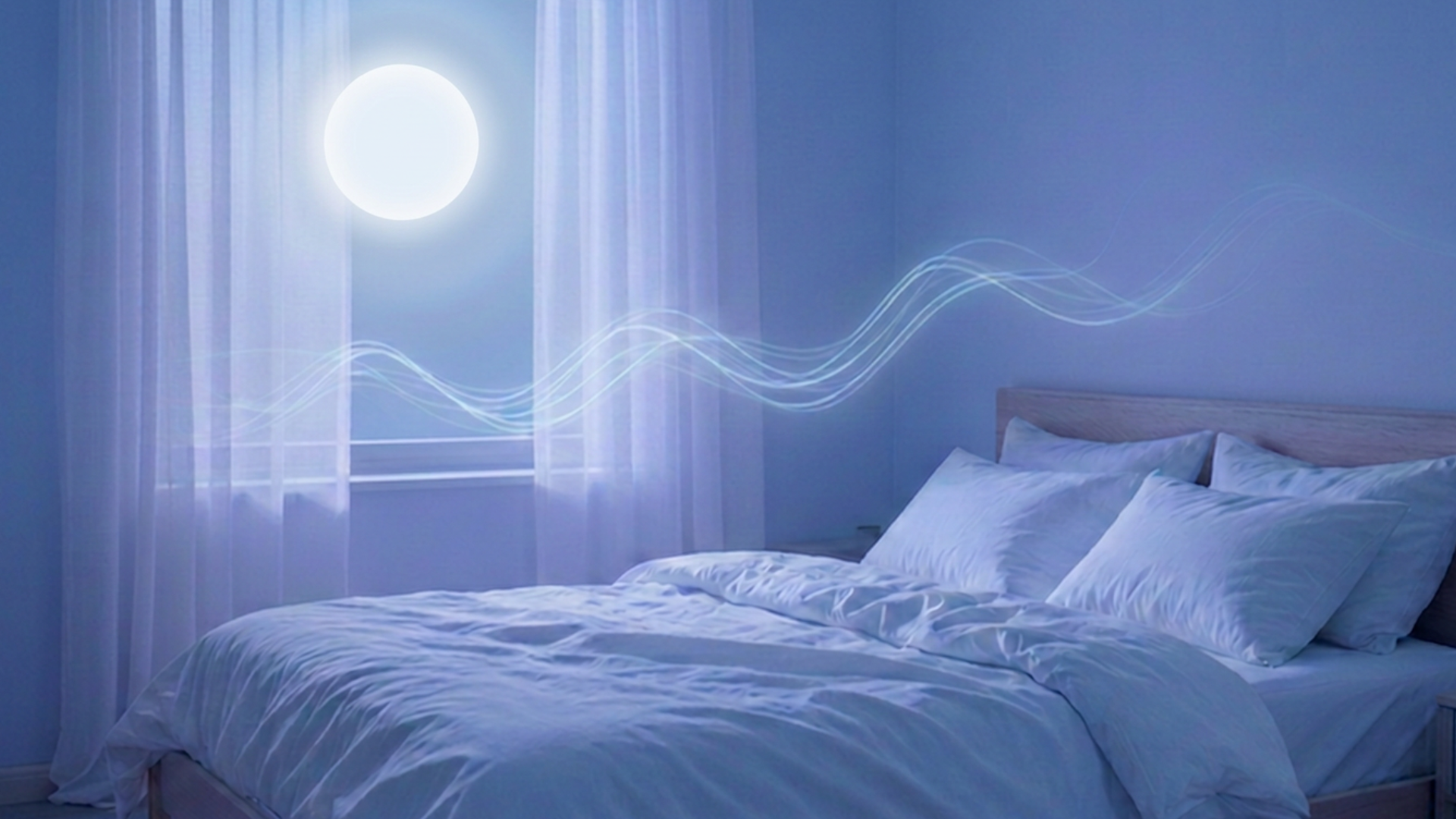
We’ve all been there. It’s 2:00 AM, the house is completely quiet, and you are finally drifting off into a perfect, deep sleep. Then—creak. The house settles. Or a car drives down the street. Maybe a dog barks three blocks away.
Suddenly, your eyes fly open, your heart is racing, and you’re staring at the ceiling, starting the sleep countdown all over again.
It’s incredibly frustrating. But here’s a fascinating truth about sleep science: It wasn’t actually the sound of the creak or the bark that woke you up. It was the sudden change in volume.
When your bedroom is dead silent, your brain becomes hyper-alert to any acoustic disruption. It’s like a spotlight in a dark room. That is exactly where white noise comes in, and today, we’re going to look at why this simple tool is a total game-changer for your sleep hygiene.
What is White Noise, Anyway?
People often think of white noise as just a generic hum or the sound of a fan, but technically speaking, it’s a very specific blend of sound.
Think of light. White light is what you get when you combine every color of the spectrum together. White noise is the exact same concept, but with sound. It combines all the different frequencies of sound that the human ear can detect, all playing at the exact same intensity at the same time.
Because it contains every frequency, it has a unique ability to blend sounds together.
The Magic of “Sound Masking”
So, how does this help you sleep? It comes down to a principle called sound masking.
Think of your bedroom’s noise environment like a blank canvas:
- In a dead-silent room, that canvas is pure black. If someone drops a glass or opens a door, it’s like throwing a splash of bright white paint on the canvas. Your brain immediately notices the contrast and wakes you up.
- When you turn on a white noise machine, you are essentially covering that canvas in a soft, steady gray. When that same household noise happens, it blends right into the gray background.
The white noise essentially creates an “acoustic blanket” over your bedroom. It doesn’t actually make the outside world quieter; it just raises the baseline floor of sound in your room so sudden noises don’t startle your nervous system.
The Benefits: More Than Just Blocking Noise
While blocking out the neighbor’s morning routine is a huge plus, steady sound conditioning offers a few other major benefits for your sleep architecture:
- Bypassing the “Arousal Threshold”: Your brain doesn’t completely shut off when you sleep; it’s still listening for danger. White noise keeps the auditory cortex just occupied enough that minor, harmless sounds don’t trigger your brain’s alarm system.
- A Psychological Cue for Rest: Human beings thrive on routine. If you turn on your white noise machine only when it is time to sleep, your brain eventually starts associating that specific sound with winding down. Over time, simply switching it on acts as a psychological trigger that tells your body, “Hey, it’s safe to relax now.”
- Deeper, Uninterrupted REM Cycles: Because you aren’t constantly micro-waking to shifting ambient sounds, you can stay in deep, restorative sleep and REM cycles longer, leaving you feeling significantly more refreshed in the morning.
Finding Your Perfect “Color” of Noise
If you’ve tried pure white noise before and found it a bit too sharp or “hissy” (like old television static), you aren’t alone! Because white noise emphasizes higher frequencies, it can sound a bit bright to some ears.
The good news? Sound has a whole color palette:
- Pink Noise: This balances out the frequencies by turning down the volume on the higher pitches. It sounds deeper and richer—more like a steady, heavy rainstorm or rustling leaves.
- Brown Noise: This drops the high frequencies even further, focusing heavily on the low, bass notes. It sounds like a deep, distant rumble, a heavy waterfall, or a low roar of an airplane cabin. Many people find this the most relaxing of all.
Give it a Trial Run
If you’re looking to improve your sleep quality, adding a consistent sound element is one of the easiest, most affordable adjustments you can make to your sleep environment. You don’t necessarily need an expensive dedicated machine to start, either—a simple, steady mechanical bedroom fan or a highly-rated phone app connected to a small speaker can do wonders.
Give it a try for a week or two, let your brain adapt to the new routine, and see if you don’t notice a difference in how deeply you sleep. Your sleep environment is the foundation of your day, and sometimes, a little bit of steady noise is exactly what you need to find some true peace and quiet.